After the Fall Rain
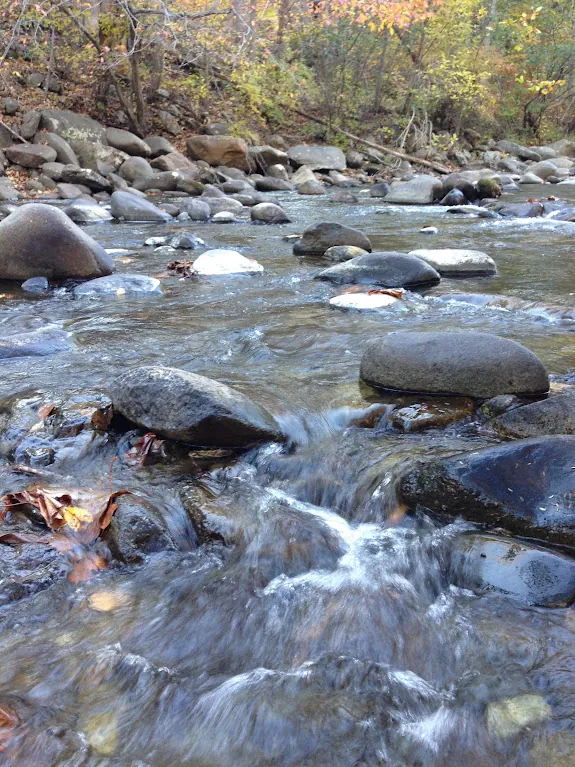
A big fall storm can change a creek in one night. The water comes up brown and fast, and when it drops again, the bars do not always sit where they sat last week. That is not bad news for a gold hunter. It just means you have some new reading to do, and the best time to do it is after the water clears.
Rain moves the load
When a creek runs high, it has much more push than it does on a calm day. It can roll gravel and cobbles along the bed, and it can cut into the bank and carry that dirt downstream. Gold is very heavy, so it does not travel far or fast like sand and mud do. When the water slows down again, the heavy stuff can drop out first, and it can settle in low spots, in cracks in the bedrock, and on the inside of bends. A storm can bury an old trap under new gravel, and it can also build a fresh bar where there was none before.
Wait for clear water
Right after a storm, the creek is too muddy to read. You cannot see the bed, you cannot see where the gravel piled up, and you cannot see the cracks in the rock on the bottom. Give it a few dry days and let the water drop and clear. Then walk the bank and look for gravel that looks fresh and clean, for bars that grew or moved, and for spots where the bank got cut back. Clear water shows you the new shape of the creek, and that new shape is what you want to learn.
Let the map pick the bend
A storm can move the gravel, but it does not move the valley. Before you dig into a bank, open VaGoldMaps and turn on the Drainages layer. Trace your creek and find the bends where the water has to swing wide and slow down on the inside. Then turn on the Old workings layer to see if people dug near that stretch in the past. Old diggings do not promise gold today, but they do tell you someone thought that ground was worth the work. Check the topo too, so you can see where the valley gets wide and flat, because water tends to slow down in places like that. When you put all of that together, you walk in with a plan for which bend to check first.
Stay safe and get permission
Small creeks can rise fast in a storm, sometimes in less than an hour. Stay off the creek and out of the channel while it is running high and muddy, and do not park or camp down low near the water when storms are on the way. A cut bank can also be soft after rain, so do not stand under it or dig into it while it is wet. And before you set foot on any creek, know who owns the land and get permission first. Land access comes first, before the pan.
Fall rain moves the load around, and that gives you new gravel to look at. Be patient and let the water clear before you go. Use the Drainages layer and the Old workings layer to choose your bend, and then let the creek show you what the storm left behind.